Table of contents
Residents experiencing economic hardship can access dedicated city of Dallas financial assistance to secure housing, cover utility arrears, and stabilize their households. Local government agencies and community organizations administer these funds to ensure low-income families, seniors, and individuals with disabilities maintain essential living standards during unexpected emergencies.
Key Takeaways:
- The City of Dallas Office of Community Care and Dallas County Health and Human Services (DCHHS) process applications for emergency relief grants.
- Tenants facing eviction may qualify for immediate rental arrears coverage and legal aid through local housing stabilization initiatives.
- Low-income households can receive direct utility subsidies to prevent water and electricity disconnections during peak summer and winter months.
- State-level programs integrate with local city funds to provide comprehensive nutritional and medical safety nets for vulnerable populations.
Core Emergency Relief Initiatives
The local government allocates federal, state, and municipal funds to establish a robust safety net for vulnerable populations. These hardship grants in Dallas TX prioritize individuals facing immediate threats to their health, safety, or housing stability. Funding availability often dictates the exact amount disbursed per household, but agencies consistently prioritize applicants experiencing active crises. An active crisis typically involves a pending eviction notice, an imminent utility shutoff, or a sudden loss of income due to medical emergencies.
Case managers evaluate each applicant's holistic situation to deploy emergency financial help effectively. The goal is to move beyond temporary fixes and connect families with sustainable, long-term resources. By pairing direct monetary grants with ongoing financial counseling, the city aims to break the cycle of poverty and reduce repeat applications for emergency aid. This comprehensive approach ensures that limited municipal funds achieve maximum community impact.
Housing Stabilization and Rent Support
Maintaining safe shelter is the primary focus of local relief efforts across the metropolitan area. The city partners with regional agencies to deliver targeted Dallas rental assistance aimed at preventing widespread homelessness. When a tenant falls behind on lease payments due to job loss or severe medical events, community action Dallas programs step in to intervene. These organizations disburse funds to cover rent arrears directly with the landlord, keeping the family housed and off the streets.
This intervention frequently includes professional mediation services to resolve tenant-landlord disputes before they escalate to the eviction courts. Legal aid partners often collaborate with financial counselors to ensure tenants understand their rights during the eviction process. To explore broader federal housing protections and statewide tenants' rights, residents can review the comprehensive resources provided by the U.S. Department of Housing and Urban Development (HUD).
Utility and Energy Subsidies
Extreme Texas temperatures make continuous utility service a matter of critical public safety. Low-income support Dallas networks operate specialized programs to subsidize electricity, gas, and water bills for struggling households. The Comprehensive Energy Assistance Program (CEAP) serves as the primary vehicle for this relief. CEAP helps households absorb the shock of seasonal energy price spikes during intense summer heatwaves and unexpected winter freezes.
Through targeted utility help in Dallas County, administrators issue direct payments to energy providers on behalf of the approved applicant. This strategic subsidy ensures families do not have to choose between cooling their homes and purchasing essential groceries. Furthermore, utility companies often wave late fees and reconnection charges when a customer is actively enrolled in a recognized municipal assistance program.
Integrating State and Municipal Resources
While municipal programs handle localized crises, they operate in tandem with broader state and federal safety nets. Residents applying for city grants are universally screened for categorical eligibility in larger government initiatives. This interconnected system ensures that no available funding is left on the table for a household in need.
For example, local caseworkers actively assess if a family qualifies for larger Texas financial assistance platforms. These platforms include vital lifelines like Medicaid, the Children's Health Insurance Program (CHIP), and Temporary Assistance for Needy Families (TANF). State funds provide the baseline of support, allowing city-specific grants to act as supplemental, emergency interventions rather than primary income replacements.
Furthermore, active enrollment in SNAP benefits Texas automatically fulfills the strict income verification requirements for numerous local city grants. This streamlined cross-enrollment process reduces bureaucratic friction and eliminates redundant paperwork for both the applicant and the caseworker. By sharing verification data across agencies, the local government maximizes the total support a household receives while minimizing administrative delays.
Specific Support Categories and Program Details
To provide actionable value, residents must understand the exact mechanisms through which these housing assistance programs and specialized grants operate. Each program features unique funding streams, distinct compliance requirements, and specific intended outcomes.
The Community Services Block Grant (CSBG)
The federal Community Services Block Grant (CSBG) represents a vital funding stream for addressing poverty at the grassroots level. Administered locally through Dallas County Health and Human Services (DCHHS), this grant funds direct, high-impact interventions. Services range from employment transportation assistance and uniform vouchers to emergency shelter placements for domestic violence survivors.
The CSBG program utilizes a strict case-management approach to guarantee long-term success. Recipients must actively work with a designated counselor to develop a personalized financial independence plan. This operational structure ensures that the immediate grant disbursement is paired with systemic solutions. Clients regularly receive mandatory job training, financial literacy education, and aggressive debt management counseling to prevent future emergencies.
Weatherization Assistance Program (WAP)
Reducing the underlying, structural cost of utilities is just as critical as paying past-due energy bills. The Weatherization Assistance Program provides free home modifications to permanently improve energy efficiency for qualifying low-income homeowners and renters. Authorized contractors assess the physical property to identify areas of severe energy loss.
Following the initial audit, crews install high-grade insulation, weatherstripping, solar screens, and perform minor roof repairs at absolutely no cost to the resident. You can review the strict federal installation standards and contractor requirements through the Department of Energy's official Weatherization portal. By permanently lowering the monthly energy burden, this initiative drastically reduces the future need for emergency utility grants and stabilizes the local power grid.
Eligibility Criteria and Income Thresholds
Qualification for municipal and county grants hinges on localized Area Median Income (AMI) calculations and strict residency proofs. Agencies meticulously verify gross household income against federal poverty guidelines to ensure taxpayer funds reach the most vulnerable demographics.
- Verified Residency: Applicants must physically reside within the corporate limits of Dallas or the designated county boundaries, backed by official lease agreements or property tax records.
- Strict Income Limits: Total gross household income typically must fall below 150% to 200% of the Federal Poverty Level, heavily depending on the specific funding source.
- Documented Proof of Hardship: Individuals must definitively document the crisis causing the financial shortfall. Acceptable proof includes a termination letter from an employer, catastrophic medical bills, or a court-ordered eviction notice.
- Valid Identification: Government-issued photo identification for the primary applicant and verifiable Social Security cards for all household members are strictly required to prevent fraud.
The table below outlines the general income limits used by the majority of Dallas assistance programs based on total household size.
| Household Size | 100% Federal Poverty Level (Annual) | 150% Federal Poverty Level (Annual) | 200% Federal Poverty Level (Annual) |
| 1 Person | $15,060 | $22,590 | $30,120 |
| 2 People | $20,440 | $30,660 | $40,880 |
| 3 People | $25,820 | $38,730 | $51,640 |
| 4 People | $31,200 | $46,800 | $62,400 |
| 5 People | $36,580 | $54,870 | $73,160 |
| 6 People | $41,960 | $62,940 | $83,920 |
(Note: Exact income thresholds fluctuate annually based on federal Department of Health and Human Services updates. Applicants must verify current, localized limits directly with the administering agency prior to submission.)
The Standardized Application Process
Navigating the bureaucracy of government aid requires precise documentation and adherence to strict, non-negotiable timelines. Missing a single submission deadline or omitting a required verification form will almost always result in an automatic denial of the application. Applicants must follow this chronological process to secure emergency funding efficiently.
- Gather Required Documentation: Compile all necessary paperwork securely before initiating contact with an agency. This comprehensive file must include 30 days of recent pay stubs, current utility bills, active lease agreements, and official identification for every single person living in the home.
- Complete the Pre-Screening Assessment: Most local agencies require applicants to complete a brief online questionnaire or an automated phone interview. This critical step immediately filters out individuals who do not meet baseline residency constraints or strict income requirements.
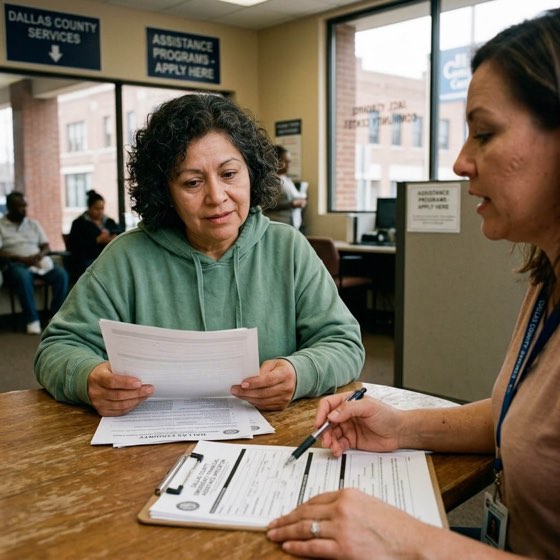
- Submit the Formal Application: Once cleared through the initial pre-screening, applicants must submit the comprehensive application packet. Ensure all data fields are filled out accurately and attach clear, highly legible copies of all gathered documentation.
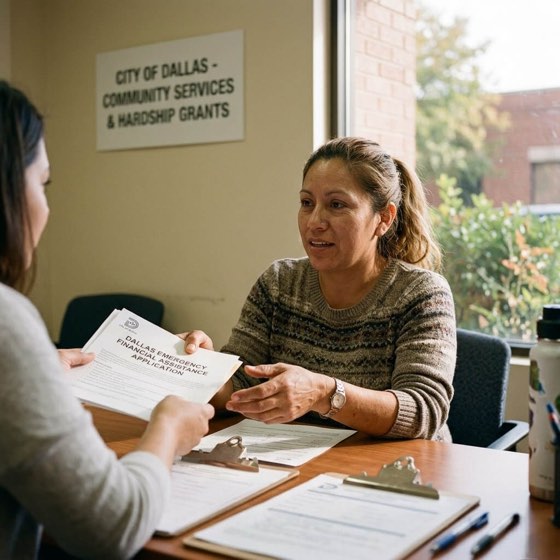
- Attend the Case Management Interview: A designated caseworker will schedule a formal intake interview to review the application packet in detail. During this mandatory meeting, the worker assesses the specific nature of the financial emergency and legally verifies all submitted data.
- Wait for Disbursement and Vendor Payment: Upon final approval, the government agency does not issue cash or checks directly to the applicant under any circumstances. Instead, the financial department processes a direct voucher or electronic payment straight to the approved vendor, such as the landlord or the utility provider.
Special Populations and Targeted Grants
Certain demographic groups face highly unique, structural barriers to financial stability and require specialized intervention strategies. The city actively allocates specific tranches of dedicated funding to address these nuanced, complex needs.
Senior Citizens and Disabled Residents
Older adults living on fixed incomes are exceptionally vulnerable to sudden economic inflation and rising property taxes. Programs tailored specifically for seniors often completely bypass the strict employment search requirements attached to standard municipal grants. This allows retired individuals to access emergency funds without unrealistic work mandates.
Furthermore, disabled residents can access specialized funds earmarked exclusively for critical home accessibility modifications. Eligible projects include installing permanent wheelchair ramps, widening doorways, or fitting modified bathroom fixtures. These targeted, physical initiatives ensure that the most physically and economically fragile community members retain their independence and avoid institutionalization.
Veterans Assistance Programs
Military veterans transitioning back to civilian life have priority access to exclusive county-level resources. The local Veterans Service Office coordinates directly with federal VA administrators to expedite disability claims and secure emergency housing vouchers. These specialized caseworkers intimately understand the specific, complex challenges veterans face.
Caseworkers navigate service-connected disabilities and decipher complex federal benefit structures to maximize local aid. By separating veteran applications from the general population pool, the city effectively ensures faster processing times. This targeted approach rapidly connects former service members with specialized mental health support, targeted employment resources, and permanent housing solutions.
Frequently asked questions
Can undocumented residents in Dallas qualify for municipal financial relief?
Many local non-profit organizations in Dallas provide emergency assistance regardless of citizenship status, though federal funds like CEAP often require at least one household member to be a legal resident. These community-based charities offer private grants for food and rent to ensure all residents receive support during extreme financial crises.
Is there a way to recover missing money or unclaimed funds in Dallas?
Residents can search the Texas Comptroller’s official database to locate unclaimed funds resulting from forgotten utility deposits, uncashed checks, or abandoned bank accounts. National Relief Program serves as an informational directory to help individuals navigate these state recovery processes and identify potential financial assets that belong to their household.
What steps should a Dallas resident take if their application for financial assistance is denied?
Applicants receiving a denial notice should immediately request a formal written explanation to identify specific eligibility gaps or missing documentation. If the rejection resulted from a technical error, individuals can file an administrative appeal or seek guidance from legal aid organizations that specialize in public benefit advocacy.
Does receiving emergency financial assistance in Dallas count as taxable income?
Most government-funded hardship grants and emergency relief payments are classified as disaster relief or general welfare benefits and are typically excluded from federal gross income. Residents should consult a qualified tax professional or the Internal Revenue Service to confirm how specific local subsidies might impact their annual filing requirements.
How long does the approval process take for Dallas emergency relief programs?
Processing times for emergency grants vary significantly based on current funding cycles and the volume of active applicants handled by local agencies. While some high-priority eviction cases receive expedited review within a few business days, standard applications for utility subsidies or weatherization projects often take several weeks to finalize.
Sources
This guide links to the following outside sources. If a source and this page ever disagree, follow the source, and confirm details with the agency that runs the program.
Before you apply: program rules, amounts, and deadlines change. Always confirm details with the official agency or program administrator. Applying for government benefits is free.
National Relief Program is an independent guide, not a government agency. Spotted an error? Email [email protected].