Quick answer
Pack each bag with new socks, a bottle of water, two or three sealed, soft snacks, and travel-size hygiene items such as toothpaste, a toothbrush, deodorant, and wipes. Add gloves and a hat in winter or sunscreen and an electrolyte packet in summer. Leave out mouthwash with alcohol, glass, razors, chocolate in hot weather, and anything that needs a can opener. Hand the bag over with a greeting and no conditions. If you want to give at scale, ask a local shelter what it needs, since shelters can match items to people.
Key facts
- Most requested item: new socks. Shelter wish lists, such as Seattle's Union Gospel Mission, put new socks and unopened underwear near the top.
- Keep it light: a gallon zip bag or small drawstring bag that fits in a backpack.
- Food: sealed, shelf-stable, soft, and easy to open. No home-cooked food.
- Season matters: warmth items in winter; water, sun, and heat items in summer.
- Respect first: ask, do not push; no photos without permission.
Table of contents
- What blessing bags for homeless people are for
- The core packing list
- Items to leave out, and why
- Winter and summer versions
- Bags for women, families, and pets
- Food safety for snack items
- Working out the cost per bag
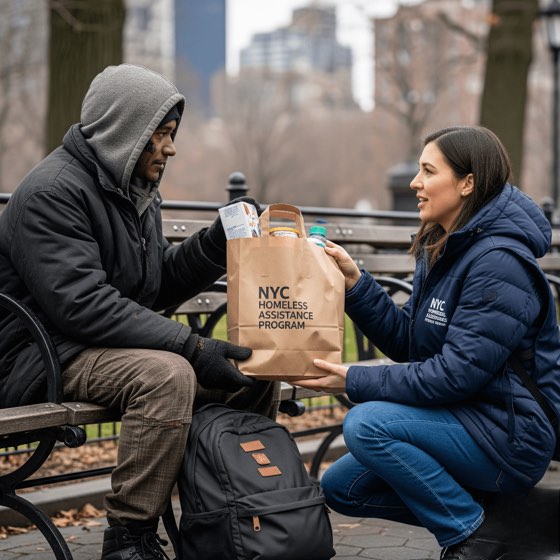
- Handing bags out with respect
- When a shelter donation helps more
- Running a blessing bag drive
- Related guides
- Frequently asked questions
What blessing bags for homeless people are for
A blessing bag does not solve homelessness. It meets a small, immediate need and opens a friendly moment between two people. That is worth doing well. People living outside or in shelters often walk all day, carry everything they own, and have few places to wash, store food, or charge a phone. The best bags respect those limits.
Three questions help you decide what goes in:
- Can it be carried all day? Heavy or bulky items get left behind.
- Can it be used without a kitchen, sink, or fridge? If not, it may go to waste.
- Is it new and sealed? Opened or used items can feel like leftovers, and they raise hygiene concerns.
Some people call these care kits, kindness bags, or street kits. The idea is the same. Faith groups often add a short note of encouragement, which many people appreciate, but the bag should never come with a condition such as listening to a message.
The core packing list
Start with items that are useful in any season. This is a list we put together for a single gallon-size bag:
- One or two pairs of new socks. Dark, thick crew socks hold up best. Wet feet lead to blisters and infections when you walk all day.
- A 16-ounce bottle of water, or two small ones.
- Two or three sealed snacks that are soft and easy to chew: granola bars, peanut butter crackers, fruit cups with pull tabs, applesauce pouches, or single-serve trail mix. Many people have dental problems, so avoid hard candy and tough jerky.
- Travel toothbrush and toothpaste.
- Travel deodorant.
- A small pack of wet wipes and a pocket pack of tissues.
- Lip balm.
- Adhesive bandages in a few sizes.
- A small card listing local help: 211, the nearest shelter or day center, a free clinic, and a meal site with days and hours. Check these numbers before printing.
If you have room, add a comb, a travel tissue pack, nail clippers, or a rain poncho. Keep the total weight low enough that the bag fits easily into a backpack.
Items to leave out, and why
Good intentions sometimes add things that cannot be used or that cause problems. These are the most common items to skip:
| Skip this | Why | Pack this instead |
|---|---|---|
| Mouthwash that contains alcohol | It can be misused and is banned in many shelters and treatment programs | Alcohol-free mouthwash, or just toothpaste and a brush |
| Hand sanitizer in large bottles | Same concern as alcohol mouthwash; some shelters do not allow it | Wet wipes |
| Chocolate, gummy candy, or lip balm left in a hot car | Melts and makes a mess of the whole bag | Granola bars without coatings; add lip balm only when you hand the bag out |
| Cans that need an opener | Most people have no opener | Pull-tab cups or pouches |
| Glass jars or bottles | Heavy and breakable | Plastic or pouch packaging |
| Razors and sharp tools | Not allowed in many shelters and can be taken at the door | Leave out |
| Hard candy, tough jerky, whole nuts only | Hard to eat with dental problems | Soft bars, nut butter crackers |
| Home-cooked or homemade food | Spoils fast with no fridge | Factory-sealed snacks |
| Cash or gift cards inside the bag | Bags get passed around or lost; better given directly if you choose to give | Keep money giving separate |
| Strong scents and aerosols | Some shelters and medical respite programs ban aerosols | Unscented stick deodorant |
The last row reflects real policy. Boston's Barbara McInnis House medical respite program, for example, lists perfumes, aerosol sprays, and lighters among items not allowed on patient floors.
Winter and summer versions
The National Weather Service warns that cold weather can cause frostbite and hypothermia, and its heat safety pages say heat can lead to heat-related illness and make existing health conditions worse. People who sleep outside face both with little protection. Change the bag with the season.
| Season | Add these | Remove or swap |
|---|---|---|
| Winter | Knit hat, gloves, hand warmer packets, an emergency mylar blanket, an extra pair of wool-blend socks | Swap water for a smaller bottle to save weight |
| Summer | Extra water, electrolyte drink packets, sunscreen (SPF 30 or higher), a wide-brim cap, a cooling towel, insect repellent wipes | Leave out anything that melts; keep bags out of the hot car until you need one |
| Rainy season | Rain poncho, gallon zip bag for keeping papers and a phone dry, extra socks | Avoid cardboard or paper packaging |
| Year-round | Socks, water, soft snacks, hygiene basics, a resource card | None |
In the summer, store finished bags indoors and move a few to the car only on the day you plan to give them out. In the winter, keep hand warmers sealed until they are used, since they start working as soon as the packet is opened.
Bags for women, families, and pets
A few changes make bags fit the people you are most likely to meet:
- Women: add pads or tampons in a sealed pack, a hair tie, and a small mirror or comb. SNAP cannot be used for menstrual products, so they can be hard to afford.
- Families with children: add a small toy or coloring book with crayons, kid-size snacks, and child-safe wipes. Skip anything that is a choking risk for young children.
- Pet owners: a small sealed bag of dog food or treats and a collapsible water bowl can be very welcome. Many people stay outside rather than leave a pet behind.
- Older adults: reading glasses in a mid strength, soft foods, and a small notepad and pen.
Label specialty bags on the outside so you can offer the right one quickly.
Food safety for snack items
Because nobody can refrigerate what you give, stick to foods that are safe without a fridge. The FDA's food storage guidance says perishable foods should not sit at room temperature for more than two hours, or one hour if the air is above 90°F. That rules out sandwiches, cheese, yogurt, and meat for bags you keep in a car.
The same FDA page says to throw away cans that are swollen, leaking, punctured, or badly dented. Apply the same eye to pouches and cups: if a seal is broken or puffed up, do not pack it.
- Check "best by" dates and use the snacks before they pass.
- Pack food separately from soap, deodorant, and wipes, ideally in its own small zip bag, so flavors and chemicals do not mix.
- Include at least one food without peanuts, and note allergens on your resource card if you can.
- Rotate bags you keep in your car every few weeks, especially in hot months.
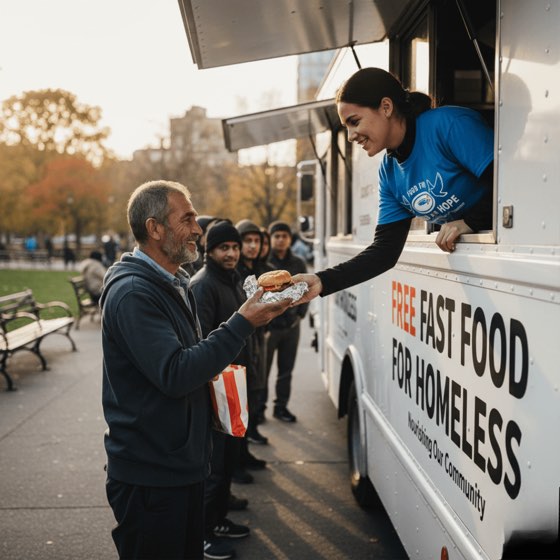
If you want to give a hot meal, the safest way is to buy one fresh and hand it over right away, or to support a local meal program. Our guide to free fast food for homeless people lists programs that already do this.
Working out the cost per bag
No official figure exists for what a blessing bag should cost, and prices change by store and region. The easiest way to budget is to price by the pack, then divide by the number of bags. For example, if you pay $12 for a 12-pack of socks, socks cost $1 per bag. Do the same for each item, add them up, and you have your cost per bag.
Ways to keep the cost down:
- Buy multipacks of socks, snacks, and water rather than single items.
- Look for travel-size hygiene items in bulk packs, which often cost far less per unit than single travel sizes.
- Ask friends to save unopened hotel toiletries, which are the right size.
- Split the shopping list among a group, with each person buying one item for every bag.
- Keep receipts if you buy for a charity drive. Donations to a qualified charity may be deductible if you itemize; the IRS charitable contribution page explains the rules. Items you hand directly to a person are not deductible.
Handing bags out with respect
How you give matters as much as what you give. A few simple habits make the moment feel human rather than awkward:
- Say hello and ask. "Hi, I'm putting together care bags. Would you like one?" Some people will say no, and that is fine.
- Make eye contact and offer your name. Ask theirs if the moment feels right.
- Hand it over without conditions. No lecture, no requirement to pray or listen.
- Skip photos and social media unless the person clearly agrees. Being filmed while struggling feels like the opposite of help.
- Stay safe. Do not stop in traffic lanes or reach far out of a moving car. Pull over or hand bags out at a light only if it is safe and legal where you live.
- Respect a "no." Do not push a bag on anyone or follow them.
- Point to more help if asked. Your resource card does the work. If someone says they need a bed tonight, suggest dialing 211.
If you see someone who seems in medical danger, such as unresponsive, very confused in the cold, or overheated, call 911. Many cities also have street outreach teams you can reach through 211.
When a shelter donation helps more
Blessing bags are personal and immediate. Shelters, though, can buy in bulk, match sizes to people, and give items along with a bed, a meal, and a caseworker. If you want your money or time to go furthest, consider giving to a shelter too.
What shelters ask for most often looks a lot like a blessing bag. Seattle's Union Gospel Mission, a large rescue mission, posts a biggest needs list that includes men's pants, new socks, new unopened underwear, deodorant, travel toothpaste, travel hygiene items, individually wrapped snacks, shelf-stable food, toilet paper, and backpacks.
To find out what a shelter near you needs:
- Check its website for a wish list or call the donations line.
- Search the Citygate Network member directory for rescue missions near you.
- Ask your local 211 for shelters and day centers that accept donations.
- Give to the Salvation Army or a local food bank through Feeding America's finder.
Many shelters cannot accept used underwear, opened toiletries, or homemade food, so ask before you drop things off. Our list of churches that help the homeless also shows faith groups that run meal and clothing programs and may welcome volunteers.
Running a blessing bag drive
Schools, churches, scout troops, and offices often pack bags together. A drive works best with a little planning:
- Partner first. Ask a shelter or outreach team whether it wants finished bags, and how many. Some prefer loose items sorted by type.
- Pick one season's list and share it with exact sizes, such as "travel-size, under 3 ounces."
- Set up an assembly line with one table per item and a final check that every bag is complete and sealed.
- Add a resource card checked by the partner, so the phone numbers are right.
- Deliver on a set date and ask what to change next time.
If your group wants to do more, ask the shelter about serving meals, sorting donations, or helping with job or housing workshops.
Good to know: rules on handing out food in public places vary by city. If your group plans to give food in a park or plaza, check local rules or partner with a group that already has permission.
Related guides
- Homeless shelters near me
- Emergency homeless assistance
- Free storage assistance for homeless
- Mobile food pantry
Frequently asked questions
What should go in blessing bags for homeless people?
New socks, a bottle of water, two or three sealed soft snacks, travel toothpaste and toothbrush, deodorant, wet wipes, lip balm, bandages, and a card with local help numbers.
What should I not put in a blessing bag?
Skip mouthwash with alcohol, large hand sanitizer bottles, glass, razors, cans that need an opener, homemade food, and anything that melts, like chocolate in hot weather.
Is it better to give a blessing bag or donate to a shelter?
Both help. A bag meets a need on the spot. A shelter can buy in bulk and match items to people, so ask a local shelter what it needs most.
How should I hand out a blessing bag?
Greet the person, ask if they would like one, and hand it over with no conditions. Skip photos unless they agree, and only give from a car when it is safe and legal.
How long can I keep blessing bags in my car?
Check snack dates and rotate bags every few weeks. In hot months, keep bags indoors and move them to the car only on the day you plan to give them out.
Sources
Facts on this page were checked against these sources on November 5, 2026. If a source and this page ever disagree, follow the source.
- Seattle's Union Gospel Mission: Needs list
- FDA: Are you storing food safely?
- National Weather Service: Cold safety
- National Weather Service: Heat safety
- IRS: Charitable contribution deductions
- Citygate Network: Find a member
- 211.org: find your local 211
- The Salvation Army: Ways to give
- Feeding America: Find your local food bank
This guide is general information. Shelter needs and local rules on giving food in public vary by place. National Relief Program is an independent website and is not affiliated with any shelter, charity, or government agency.
Before you apply: program rules, amounts, and deadlines change. Always confirm details with the official agency or program administrator. Applying for government benefits is free.
National Relief Program is an independent guide, not a government agency. Spotted an error? Email support@nationalreliefprogram.org.